
COPMAR at Rosa Náutica
Marcona and the value of understanding the sea
An expedition with artisanal fishermen, chefs, and specialists that opened a conversation about sustainability, knowledge, and the true value of marine products.
The recent expedition that connected Marcona with Lima brought together artisanal fishermen, chefs, biologists, and researchers around a common reflection: how to build a marine gastronomy that not only stands out for its quality but also for its responsibility towards the resource and its sustainability over time. The journey, undertaken with the COPMAR fishermen, allowed for a close look at the origin of marine products and an understanding of the conditions that determine their true value. Beyond the species, what defines quality is the process: careful handling during capture, responsible processing, and respect for each stage until it reaches the kitchen.
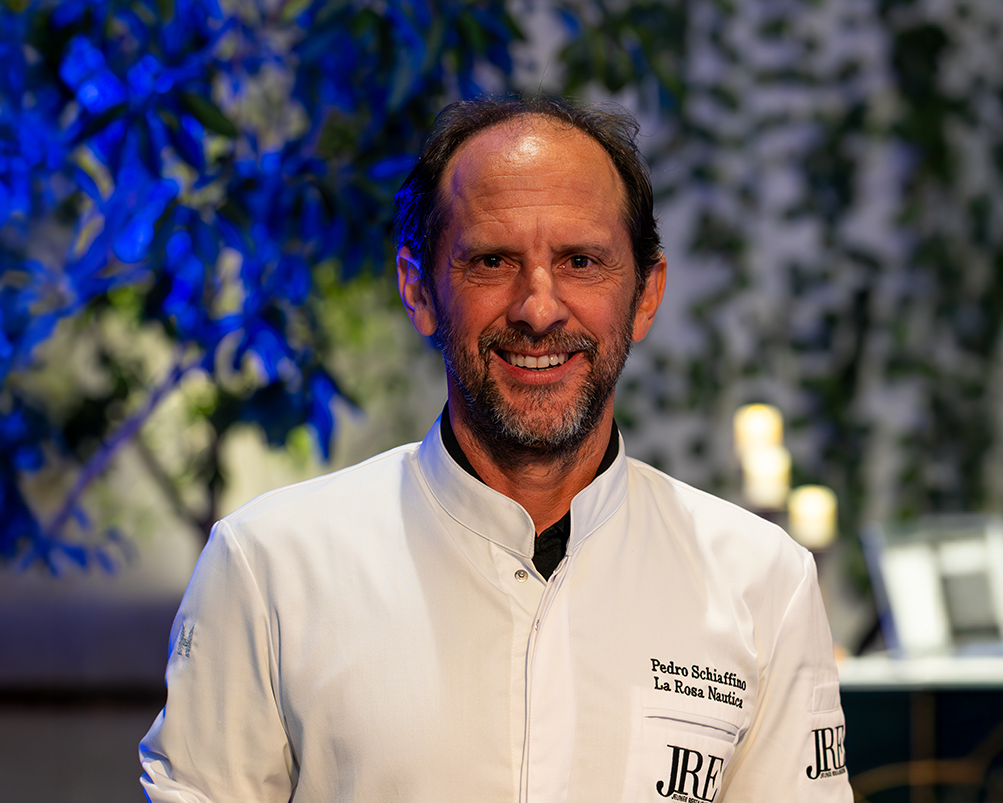
From this perspective, Pedro Miguel Schiaffino raises the need to rethink the logic historically established in the market. Projects like Receteando el Mar Peruano seek to open this conversation and highlight species that for years were commercially underestimated. Resources such as jack mackerel, for example, can achieve enormous gastronomic recognition when there is responsible and conscious work behind them. The experience also brought together marine biology specialists like Alicia Kuroiwa and Juan Carlos Aguayo, with whom we discussed minimum sizes, reproductive cycles, and the need to protect marine ecosystems.
One of the most important points of the expedition was identifying the difficulty of finding resources that are properly handled from their origin, a factor that impacts both the final quality of the product and the opportunities it can generate for fishing communities. In this context, Marcona appears as a particularly relevant territory. The presence of two protected marine areas makes this zone a key space for considering responsible fishing capable of articulating conservation, knowledge, and economic development.
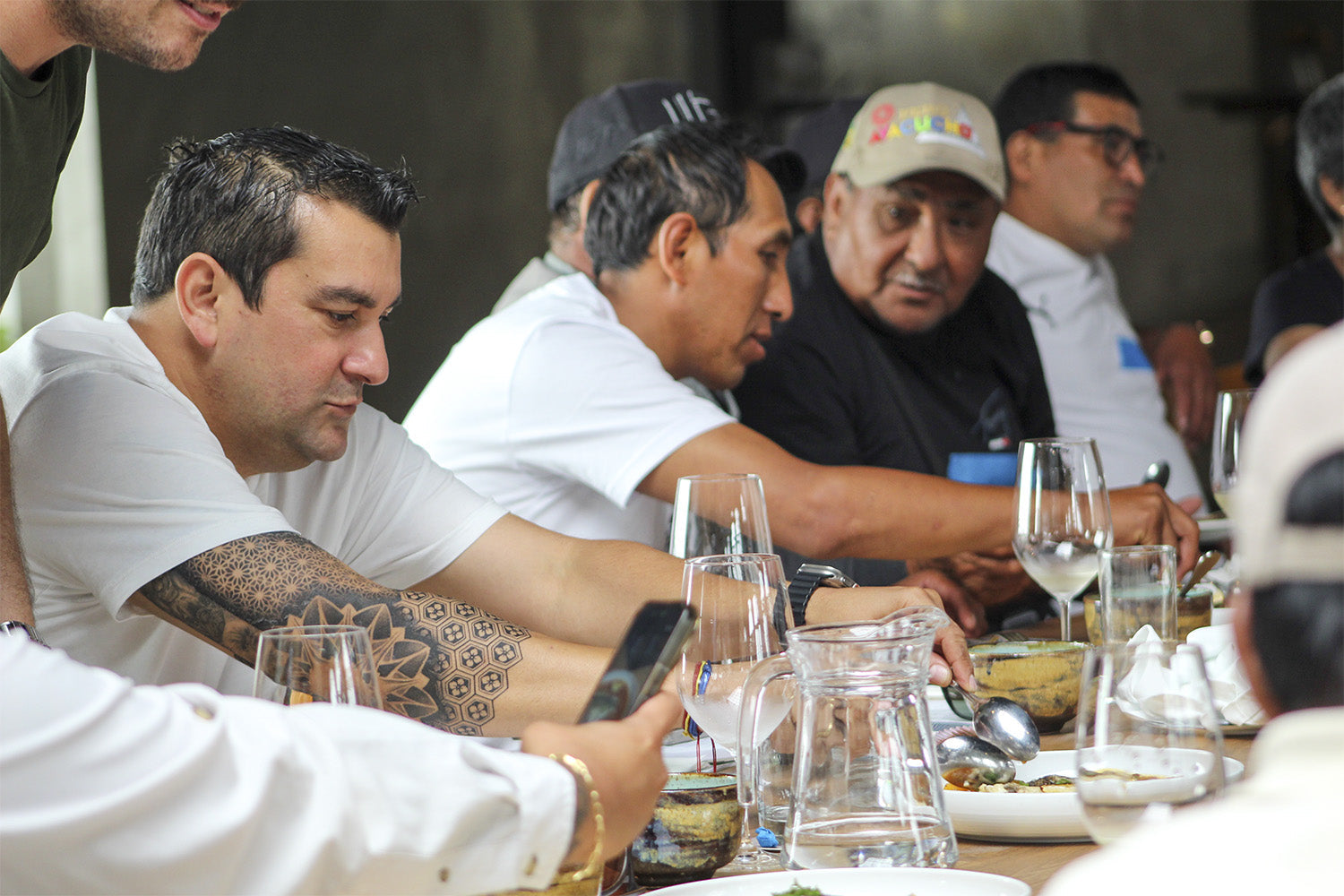
With the products brought by the COPMAR fishermen themselves, the chefs developed different preparations that demonstrated the enormous potential of a well-worked resource. Amidst cooking, conversations, and exchange of experiences, the day left a clear idea: marine gastronomy should not only aspire to excellence but also contribute to strengthening communities and building a more responsible relationship with the sea.